When we think of sports and brain injuries, the first thing that pops to our minds are concussions. But what exactly are concussions, and which sports cause them? And how can we play those sports without getting concussions?
What Are Concussions
Concussions are a TBI (Traumatic Brain Injury) caused by a blow to the head. This blow causes a part of the brain to become squished, thus inhibiting function in that region of the brain. These often result in a lack of concentration, irritability, and in severe cases, loss/ decrease in cognitive functions. Furthermore, amnesia of the event that caused the concussion can also happen. In order to detect a concussion, doctors looks for symptoms such as headaches, nausea, ringing in the ears, dizziness e.t.c.
In sever cases, permanent or long term brain injury can happen, where cognitive function decreases in the patient. Another rare effect of concussions is a hematoma, which is build up of blood in the concussed area. Left untreated, hematomas are quite dangerous..
Diagnosing Concussions
- Cognitive and Sense Tests: Medical professionals will test your vision, hearing, smell, and cognitive functions to determine the the concussion has healed.
- Imaging: By using CT scans, doctors can see where in the brain teh concussion has formed and how severe it is. Also, they use CT scans to confirm whether a hematoma has formed.
Concussions in Athletes
Concussions are extremely common among athletes. Around 3.8 million concussions occur annually due to sports-related injuries. Furthermore, 5-10% of athletes experience a concussion per season. When an athlete plays a contact sport such as American football, or soccer, they have a much higher chance of getting a concussion, due to the more physical nature of the sport.
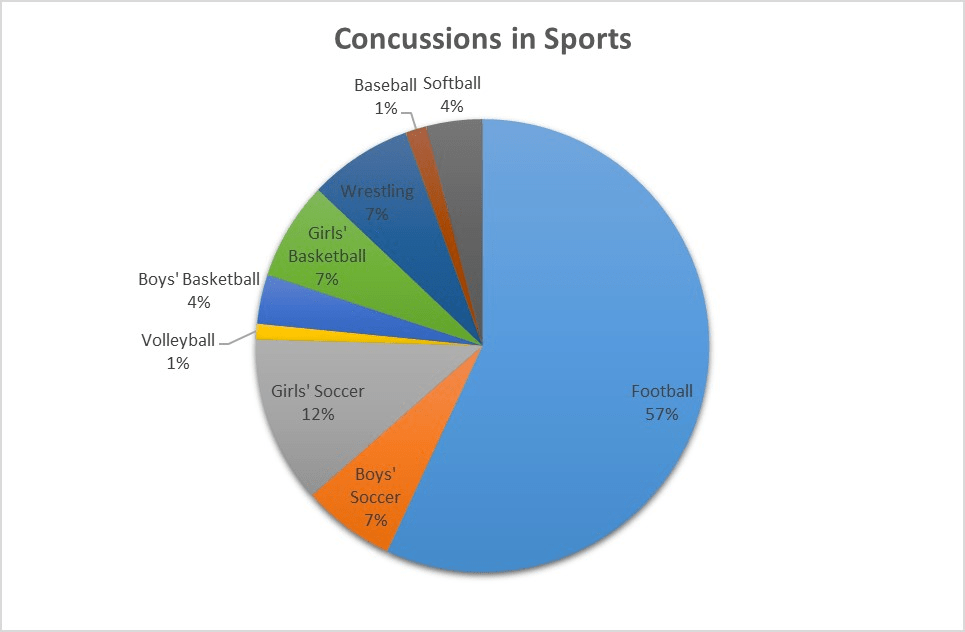
In order to prevent concussions in athletes they have to rely on increasingly complicated technology. Below, I have given some innovations in technology that have helped prevent concussions.
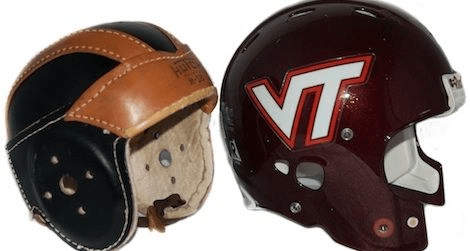
Figure 1: NFL Helmet Evolution
Plastic NFL helmets were revolutionary as they absorbed much more impact than their predecessors, leather helmets, thus reducing the severity of a concussion
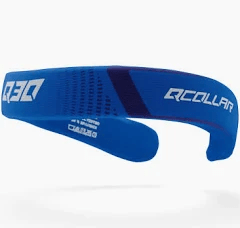
Figure 2: Q-Collar
In women’s soccer, several players wear a Q-Collar. The Q-Collar decreases the shaking of teh brain in the skull, therefore making a concussion less likely. How do they do this? Well, a Q- Collar puts slight pressure on the jugular vein. This keeps more blood in the head and the brain. This excess blood acts as a sort of cushion for the brain.
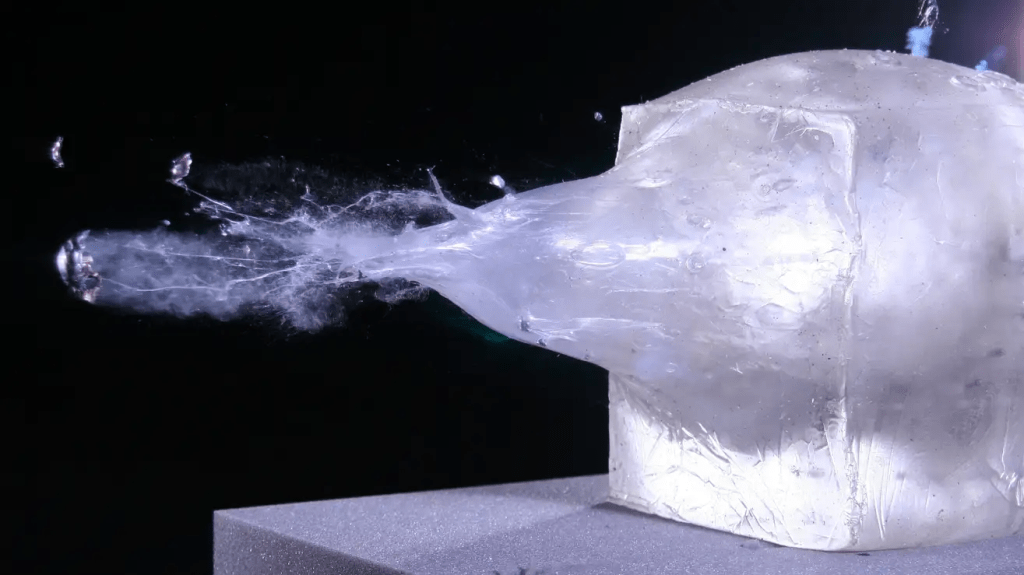
Figure 3: Talin Hydrogel
This third innovation hasn’t happened yet, but I believe it could be revolutionary for the field of sports medicine. Talin hydrogel is made from a bunch of talin proteins, which automatically absorb shock and impulse. Talin hydrogel is in testing for body armor, and if it can take a bullet, it certainly can defend against a concussion.
 Behind the Brain
Leave a comment