In an ever-growing digital world, screens are found everywhere. From tablets at home, to laptops at school, to smartphones in our pockets, and computers in workplaces, screens consume on average, 7 hours per day. But what effects does this have on our body and brain? Do screens rot our brain?
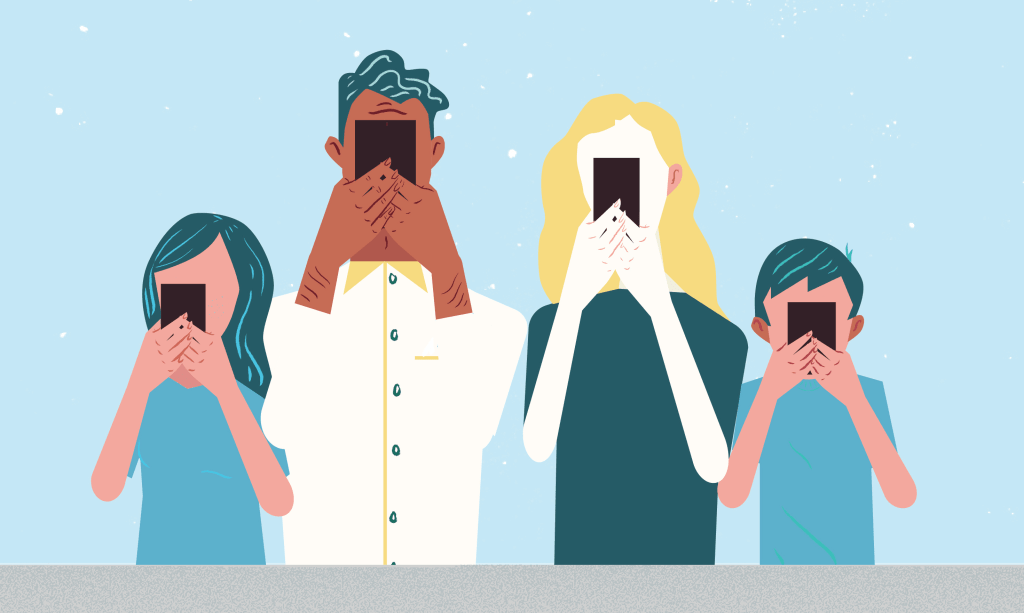
Why do we watch screens?
Screens are addictive. This is due to dopamine. Whenever we receive a notification in our phone, or laptop, our brain subconsciously activates our dopaminergic reward pathways. These pathways strengthen over time as they are activated more and more. Texting apps such as WhatsApp and Messages use this dopaminergic reaction by sending notifications every time you receive a message.
Apps on our phones, especially social media, also exploit our brain’s reward prediction system to keep us engaged for longer. Our dopamine neurons do something called reward prediction. This creates that feeling of anticipation we have just before rolling the dice at a casino or watching Lionel Messi take a potentially game-winning free kick. Social media uses this mechanism by creating an anticipation just before a new reel, or video pops up. This way, even if we feel like not using social media, the FOMO (fear of missing out) of missing a good video makes us stay on social media. This FOMO also leads to doomscrolling.
Reward prediction is also what texting apps use to keep you engaged in a conversation. Have you ever had a texting conversation and while the other person is replying to you, those three dots appear? This isn’t by accident. Texting apps use this to keep you waiting for the reply, thus keeping you on your phone.
Effects of Screen:
Screens emit blue light. Blue light affects you during the day by affecting your alertness, and heart rate, directly impacting your circadian rhythm. However, the most direct impact of blue light exposure happens when trying to sleep. Blue light suppresses the release of melatonin, which is a hormone that makes us sleep. Thus, watching screens before sleeping disrupts sleep cycles. Disruption of sleep can lead to problems such as suppressed memory consolidation, brain growth, and physical growth. Now, by limiting screen usage at night, we could greatly avoid this problem. However, late-night texting causes us to expose ourselves to a lot of blue light before sleeping.
Another clear effect of the screen devices is decreased attention span. Attention span is simply the amount of time you can work on a certain task without getting distracted. This is regulated by the strength of your prefrontal cortex. Specifically, attention span and focus is regulated by the Dorsolateral Prefrontal Cortex (DLPFC). When we are exposed to highly stimulative content such as YouTube videos, we become accustomed to the dopamine boost we receive with these videos. Thus when working on more “mundane” tasks, we lose focus much quicker as we receive less dopamine.
Attention span is also decreased due to cortical thinning in the prefrontal cortex. Cortical thinning refers to the thinning of the cerebral cortex of the brain. The cerebral cortex deals with attention, memory, perception, and language. Typically this is seen as a sign of aging. However, it is also attributed to increased screen time.

 Behind the Brain
Leave a comment