When you eat a full meal, you feel full in your stomach. When you eat something that you didn’t like much, you feel kind of queasy in your stomach. These are all results of the GBA (Gut Brain Axis).
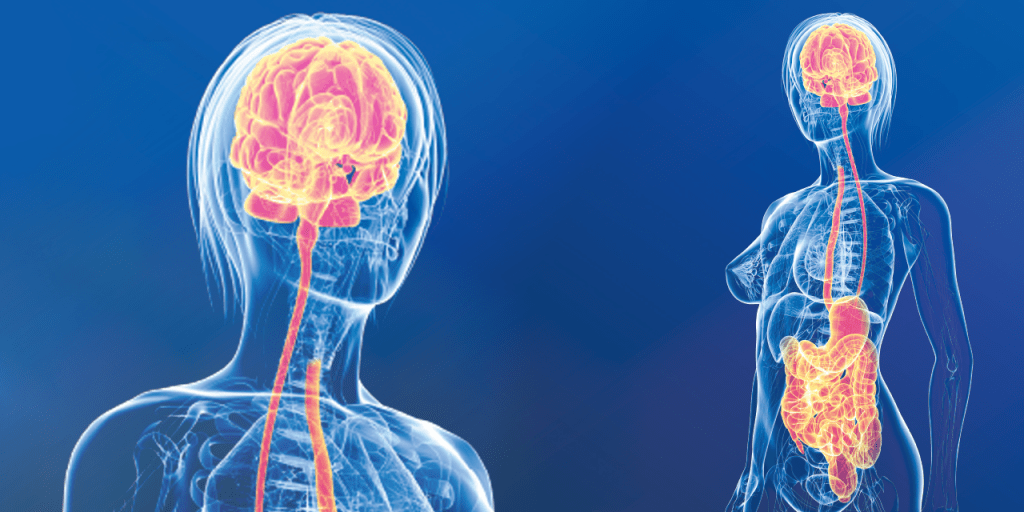
What is the GBA?
The GBA consists of communication between the gastrointestinal tract and the CNS (Central Nervous System). Chemicals released by the gut microbiome influence the brain’s development starting the moment you are born. These chemicals include:
- Cytokines – Small proteins that are unable to cross the lipid bilayer of cells
- Neurotransmitters – Signalling molecules that cross synapses to deliver action potentials
- Neuropeptides – Chemical messengers made of of chains of amino acids that are released neurons. Typically neuropeptides bond to GPCRs (G protein-coupled receptors) to modulate activity in the gut, heart and muscles
- Chemokines – Small cytokines that induce movement of leukocytes (white blood cells) and other immune responses.
- Metabolites – An end product of metabolism
- Peptidoglycans – A macromolecule consisting of sugars and amino acids
These chemicals are diverted to the brain via the blood, nerves, and endocrine cells. Once these chemicals arrive in the brain, they disturb metabolic and communicative processes happening in the brain.
Our “Second Brain”
We’ve learnt how the brain communicates with the gut, but how does the gut receive all these neurological chemical messengers? The answer is our enteric nervous system. The enteric nervous system is made up neurons that govern the gastrointestinal system. It includes sensory neurons, interneurons, and motor neurons that can control reflexes in case of an absence of CNS communication. Sensory neurons help with communicating the chemicals present, while the motor neurons control peristalsis (the process in which food travels down the esophagus and through the intestines). However, the role of certain neurotransmitters such as dopamine and serotonin in the ENS is still being investigated.
Extension of the Gut-Brain Axis Theory
There is a theory that the gut-brain axis also contains the skin, making it the gut-brain-skin axis. This theory was supported by the discovery of gut microbiota and probiotics influencing skin inflammation along with anxiety and depression causing acne.
 Behind the Brain
Leave a comment