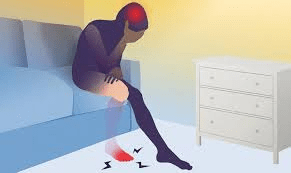
Up to 80% of amputees have reported feeling pain, in a limb that they have had amputated. This is a phenomena known as phantom limb pain. How does it work? Let’s explore!
What Exactly is Phantom Limb Pain?
Phantom limb pain (PLP) occurs when an individual experiences sensations, often painful ones, in a limb that has been amputated. These sensations can range from mild discomfort to severe, chronic pain. Patients describe burning, cramping, tingling, or even feeling as if the missing limb is being twisted or crushed.
The Neuroscience Behind the Phantom
The exact mechanisms of PLP are still not fully understood, but neuroscientists have several theories:
Neuroplasticity Gone Awry: After amputation, the brain areas that once received signals from the missing limb don’t simply shut down. Instead, they may be “taken over” by adjacent brain regions, leading to mixed signals and phantom sensations.
- Pain Memory: The brain may retain a memory of pain from the limb before amputation, continuing to produce these sensations even after the limb is gone.
- Neuromas: The severed nerve endings at the amputation site can form bundles called neuromas, which may send abnormal pain signals to the brain.
Innovative Treatments on the Horizon
Innovations utilizing new technologies designed to help with phantom limb pain are emerging. These innovation include the following.
- Virtual Reality Therapy: VR is being used to create a visualization of the aputated limb, thus easing the pain, by connecting the nerve sensations to a ‘limb’. This can be used to ease into an after-amputation life.
- Targeted Muscle Reinnervation (TMR): Through a surgical technique, nerves are rerouted to close muscles, potentially reducing phantom pain.
- Advanced Neural Stimulation: Devices that can influence electrical signals are used to influence neuromas, preventing them from sending pain signals to the brain.
- Mirror Therapy: This treatment doesn’t require technology, but rather relies on tricking the brain into believing that the amputated limb actually exists through the use of a mirror, thus reducing PLP
The Road Ahead
In conclusion ,as we learn more about how the brain works, we are finding new ways to treat phantom limb pain and improve the lives of amputees. By using techniques like mirror therapy, virtual reality, and brain stimulation, we are helping to retrain the brain and reduce the pain felt in missing limbs. These advancements not only bring a decrease in pain to those amputees but also help us understand more about how the brain processes pain and adapts to changes in the body.
 Behind the Brain
Leave a comment