Picture the scene: standing at the edge of a bungee-jumping platform, heart pounding, palms sweating, every fiber in your body screaming to turn back. For some, though, this is a moment of intoxicating excitement rather than overwhelming fear. What sets thrill-seekers apart from the more cautious? The root of an answer lies in the neurobiology of fear, hard-wired survival mechanism, and how the brain of a thrill-seeker reconverts it into thrill.
What is Fear?
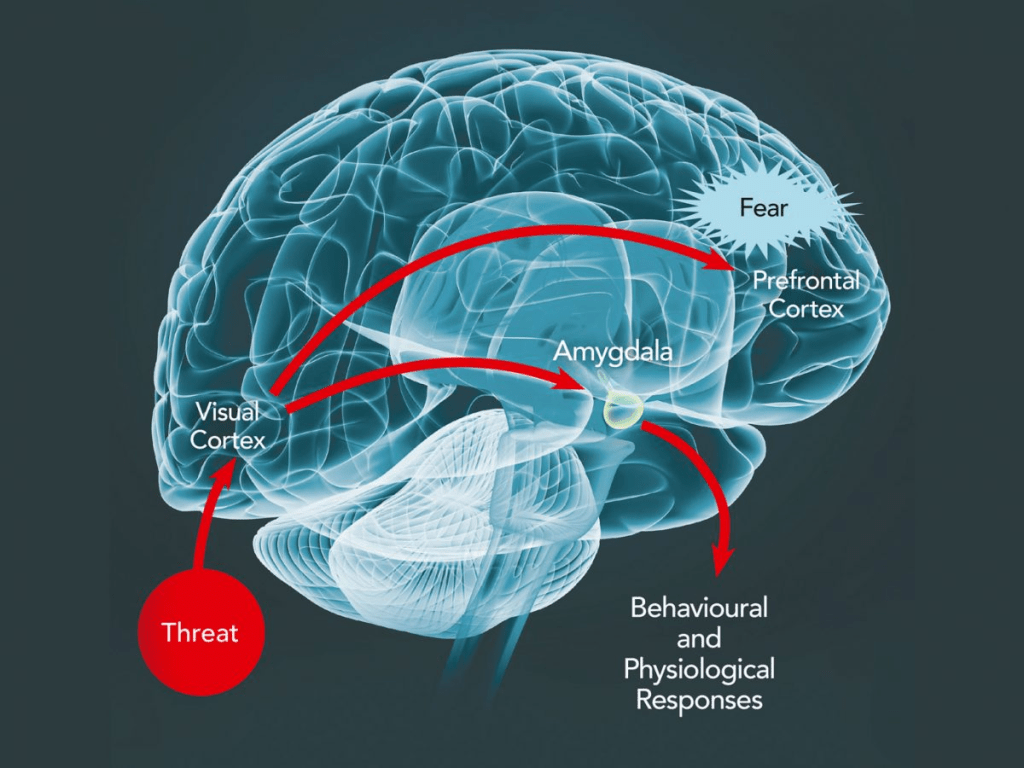
Fear is an instinctual tactic meant to preserve life. The very middle of this response is the amygdala, the alarm system within the human brain. When a danger signal has been identified, the amygdala sends further signals down to the hypothalamus. This in turn triggers the body’s fight-or-flight reaction. Adrenaline surges into the system, accelerating heartbeat, heightening focus, and preparing muscles for action. Meanwhile, the hippocampus records the event, encoding the particular stimuli with fear to avoid the danger in the future.
While fear is an essentially vital element in survival, to some it just doesn’t feel that way. What the majority feel as overwhelming or paralyzing, the true thrill-seeker interprets as stimulating and pleasing. This difference is due to how the brain deals with the question of fear and reward.

Why Do Some People Seek Thrills?
The Role of Dopamine:
Typically, thrill-seekers are biologically wired to need risk because of the heightened sensitivity in the brain to dopamine-a chemical responsible for reward and pleasure. Skydiving or extreme sports were activities that would trigger huge releases of dopamine, creating feelings for them of euphoria, instead of fear. This heightened response makes risky behaviors extremely rewarding.
The DRD4-7R Gene:
Research points out that the gene DRD4-7R, popularly known as the “adventure gene,” is implicated in novelty-seeking behavior. Carriers of the genetic variant are likelier to engage in boundary-pushing activities, from venturing into uncharted territories to extreme sports.
Regulation of Risk in the Prefrontal Cortex:
The prefrontal cortex, in charge of decision-making and impulse control, is also involved. Among thrill-seekers, this structure is less active under conditions of risk, reducing inhibition and making the activity rewarding. They are not necessarily careless-on the contrary, they simply feel a different balance between fear and reward
The Psychology of Thrill-Seeking
Thrill-seeking isn’t just biological; there is some significant psychology behind the activity, too.
Sensation-Seeking Personality:
Psychologists define sensation-seeking as a personality trait characterized by the desire for novel and intense experiences. Thrill-seekers often enjoy activities that involve uncertainty and a perceived level of danger, even when the risks are carefully controlled.
The Role of Early Experiences:
Childhood experiences and upbringing can enable a person to relate to fear. Individuals who were exposed to moderate levels of risk and adventure during childhood may develop a higher tolerance for fear and a greater enjoyment of high-intensity activities.
When Thrill-Seeking Goes Too Far
Addiction to Risk:
The reward system through which the brain experiences a thrill can also cause dependency. In a long-term context, thrill-seekers may need more and more dangerous activities to achieve the same dopamine high, putting themselves at greater risk. This shares some similarities with substance addiction, as both are mediated by the brain’s reward pathways.
Impulse Control Disorders:
At the extreme, thrill-seeking behavior may adopt pathological gambling, reckless driving, or other activities that might put their personal safety at stake. Because these behaviors arise from an inability to control impulses, this suggests that the prefrontal cortex exerts control over impulsivity.
Advantages of Regulated Thrill-Seeking
Though thrilling may become perilous, the process equally has its unique advantages while being approached with caution.
Emotional Toughness:
In so doing, the mental toughness of a person is built. Overcoming one’s fear through activities such as rock climbing or speaking in public can give an individual more confidence, thus reducing anxiety in general.
Neurological Flexibility:
New and challenging experiences fire up the brain and make new neural connections, enhancing cognitive flexibility and problem-solving skills.
Social Connection:
Group thrill-seeking activities, like adventure races or team sports, strengthen bonds and foster a sense of community through shared excitement and accomplishment.
Conclusion
Thrill-seeking is the intriguing interplay between biology and psychology. For some people, the adrenaline-dopamine rush converts fear into excitement that propels them toward experiences others avoid. Managing risks responsibly is important, but controlled thrill-seeking has profound personal and social benefits. Indeed, be one who seeks thrills or one who plays it safe, neurobiological insights into the process of fear demonstrate just how complex-and adaptive-the human brain really is.
 Behind the Brain
Leave a comment