Most autism research has focused on clinical tests and observations, often missing what it’s really like to be autistic. A new research method called “Dixit-elicitation” is changing this by using the popular board game Dixit to better understand the autistic experience.
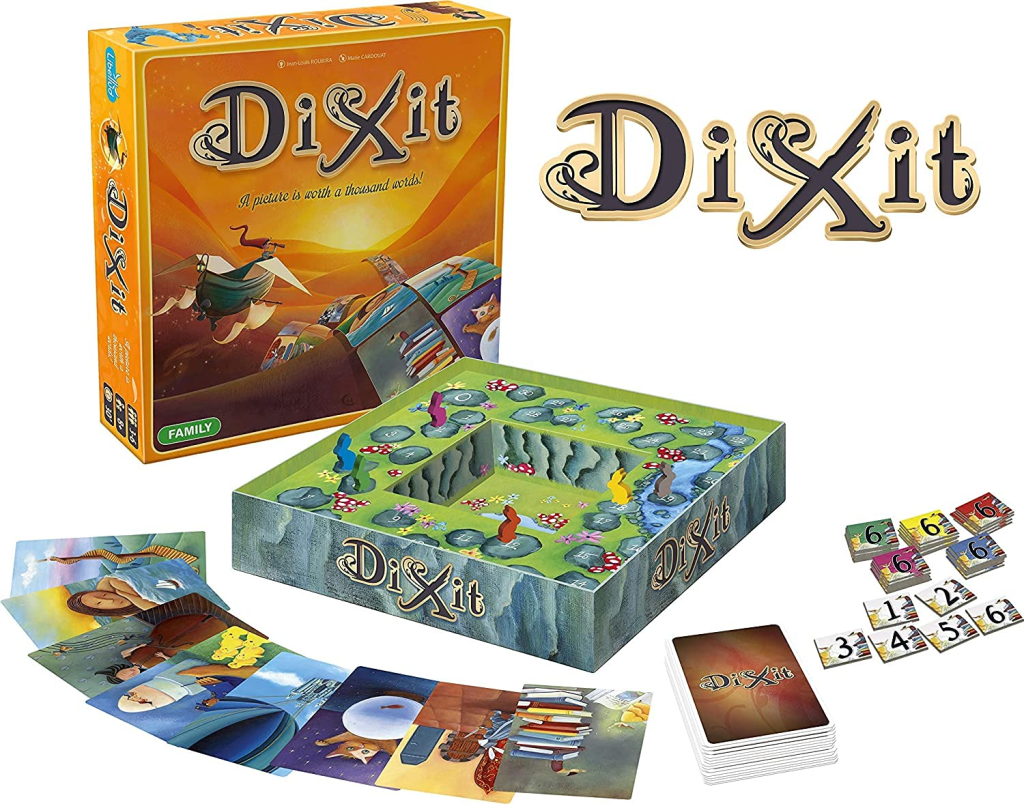
What is Dixit?
Dixit is a storytelling board game that uses mysterious picture cards. Each card shows dreamlike artwork, such as a floating house, a person made of butterflies, or a tree growing upside down. Players look at these unusual images and use them to tell stories or describe feelings.
The trick behind Dixit is that the pictures don’t show obvious things. Instead, they spark imagination and help people express ideas that might be hard to put into words. This makes it perfect for research because it lets people share their experiences in a new way.
Why Use a Game for Research?
Using games in research is called “gamification,” and it’s becoming more popular because games can help people feel relaxed and creative. When applied to autism research, Dixit offers special benefits. Traditional interviews can feel stressful or formal, but playing a game creates a comfortable environment where people can express themselves more freely.
Many autistic people are visual thinkers who find it easier to communicate through pictures rather than answering direct questions. The mysterious nature of Dixit cards lets participants explore complex feelings through imagery, often revealing insights that regular questions might miss. Most importantly, instead of being passive subjects, participants become active storytellers with control over what they share.
What the Research Found
Using Dixit cards, autistic participants have shared powerful stories about their experiences. They’ve explored personal challenges like sensory overload (when sounds, lights, or textures become overwhelming), navigating social situations, and “masking” (when they hide autistic traits to fit in).
Participants have also highlighted strengths that traditional assessments often miss, like excellent pattern recognition, the ability to focus deeply on interesting topics, and attention to small details others overlook.
Perhaps most importantly, people have used the cards to talk about social pressure—the weight of trying to meet society’s expectations while staying true to themselves. The visual symbols add extra meaning: a card showing someone in a maze might represent the challenge of understanding social rules, while a picture of someone juggling could symbolize managing sensory input and social demands at the same time.
A New Way of Understanding Autism
This approach is different from older research that focused mainly on what autistic people struggle with. By letting autistic people tell their own stories through pictures, researchers learn about perspectives that were previously hidden.
The stories that emerge show autism as much more complex than clinical descriptions suggest. Participants don’t just talk about difficulties—they also share sources of joy, pride, and strength. They describe smart strategies for thriving in a world designed for non-autistic people while staying true to who they are.
What This Means for the Future
The success of Dixit research opens up exciting possibilities. This method could be used in therapy sessions, schools, or workplace discussions about accommodations. The key discovery is that when we give autistic people comfortable ways to express themselves, we learn valuable information that can help create better support.
As we continue learning about neurodiversity, methods like Dixit remind us that autistic people’s voices are the most important in autism research. By finding creative ways to hear these voices, we move toward a world that doesn’t just accommodate autistic people but truly values what they bring to society.
The game might seem simple, but the insights it reveals are powerful. By giving autistic people new ways to share their stories, we’re building understanding that can change how society sees and supports neurodivergent individuals.
Original Research Paper Link:
“Metaphors and myths: Using the board game Dixit to understand the autistic lived experience” by Gray Atherton et al. Discover Psychology
 Behind the Brain
Leave a comment