-
 Continue reading →: How the Adolescent Brain Is Wired for Risk
While a teenager, one’s brain undergoes a remarkable transformation that shapes behavior, decision-making, and risk assessment. Although parents and educators often attribute teenage risk-taking to poor judgment or peer pressure, neuroscience reveals a more complex story: the adolescent brain is literally wired for risk-taking. The Reward System & Cognitive Control…
-
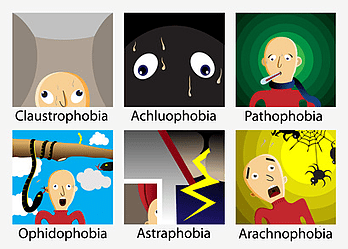 Continue reading →: Are Fears Born or Built?
Nature versus nurture has been an argument for almost as long as the field of psychology has existed. Simply put, this argument debates how our personality is developed. Are we born with our personalities, or do our experiences shape our personality? This debate can also be interestingly translated to fear.…
-
 Continue reading →: Collaborative Decision-Making: Definition, Examples, and Benefits
Collaborative decision-making is a process where groups work together to make choices, combining diverse perspectives for better results. This guide explains the concept, provides real-world examples, and highlights key benefits. Learn how collaboration strengthens problem-solving, builds consensus, and improves decision quality in teams, organizations, and communities.
-
 Continue reading →: Longevity Research: Can Science Stop Aging?
Aging has conventionally been viewed as both a natural and an inevitable process. However, recent developments in neuroscience and biology suggest that the pace of aging might not necessarily be the one we conventionally experience. So let’s look closely at the process of aging itself and some of the most…
-
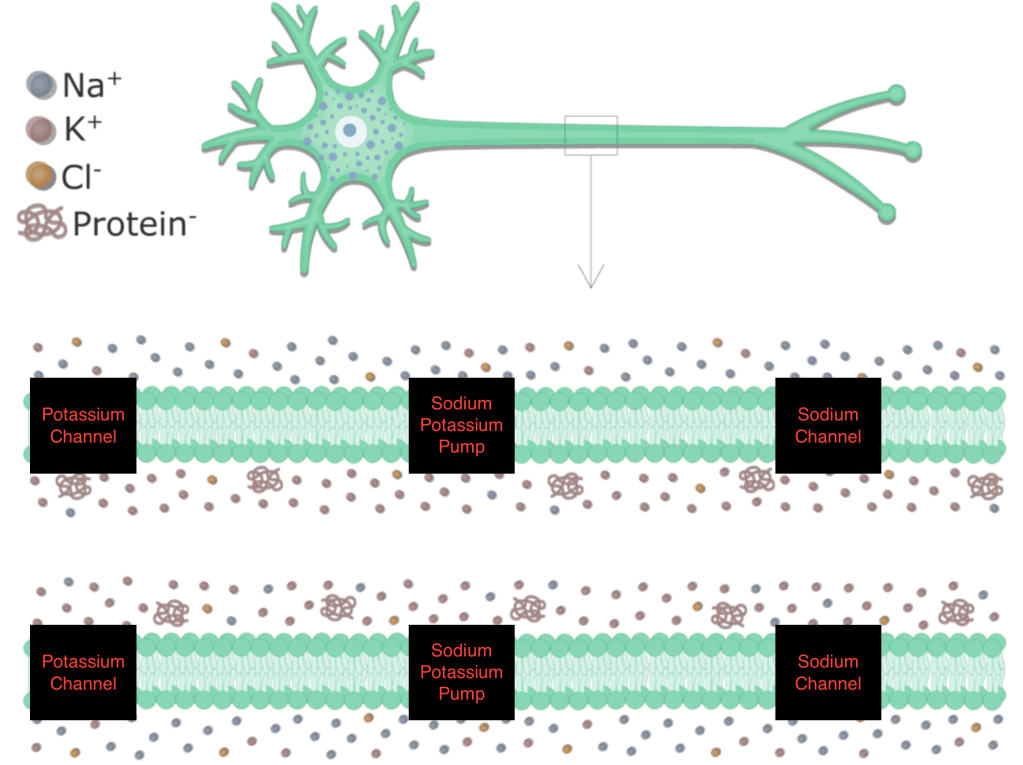 Continue reading →: The Axon Terminal: Orchestrating Neuronal Communication
Neurons are the remarkable communication specialists of our nervous system, capable of transmitting information across vast networks with incredible speed and precision. At the heart of this communication lies the axon terminal, a sophisticated structure that plays a crucial role in how our nervous system operates. Basic Review of a…
-
 Continue reading →: The Neuroscience Of Humor: Why We Laugh.
You are watching your favorite comedy show, and then suddenly, a joke make you burst into laughter. But why? What happens in your brain that turns a clever line, a funny face, or an unexpected twist into uncontrollable giggles? Humor is a universal human experience, but its roots lie deep…
-
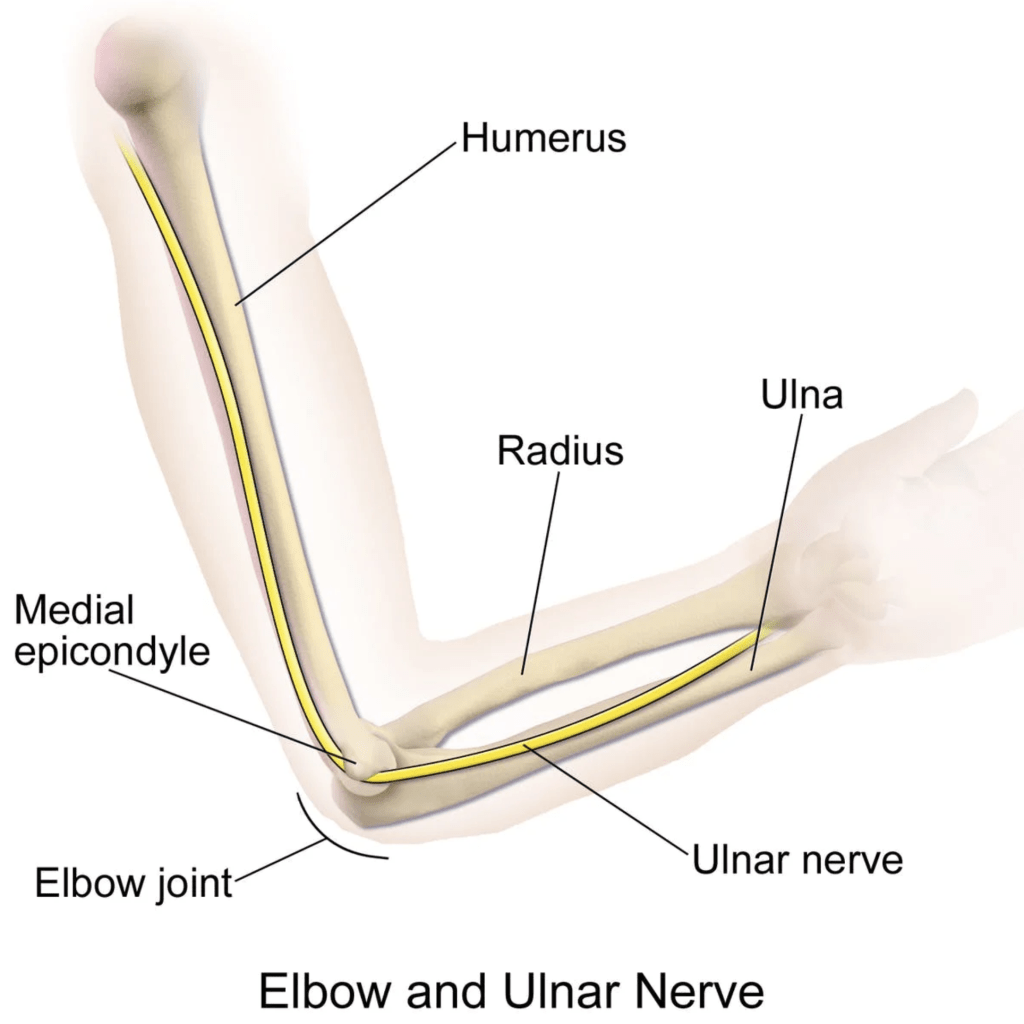 Continue reading →: The Funny “Bone”?
Ever hit your elbow in that just-right place and feel that weird combo of pain and tingling? Commonly referred to as hitting your “funny bone,” nothing feels funny except maybe how it leaves your arm numb and your fingers tingling. So, what’s happening when you hit this spot, and why…
-
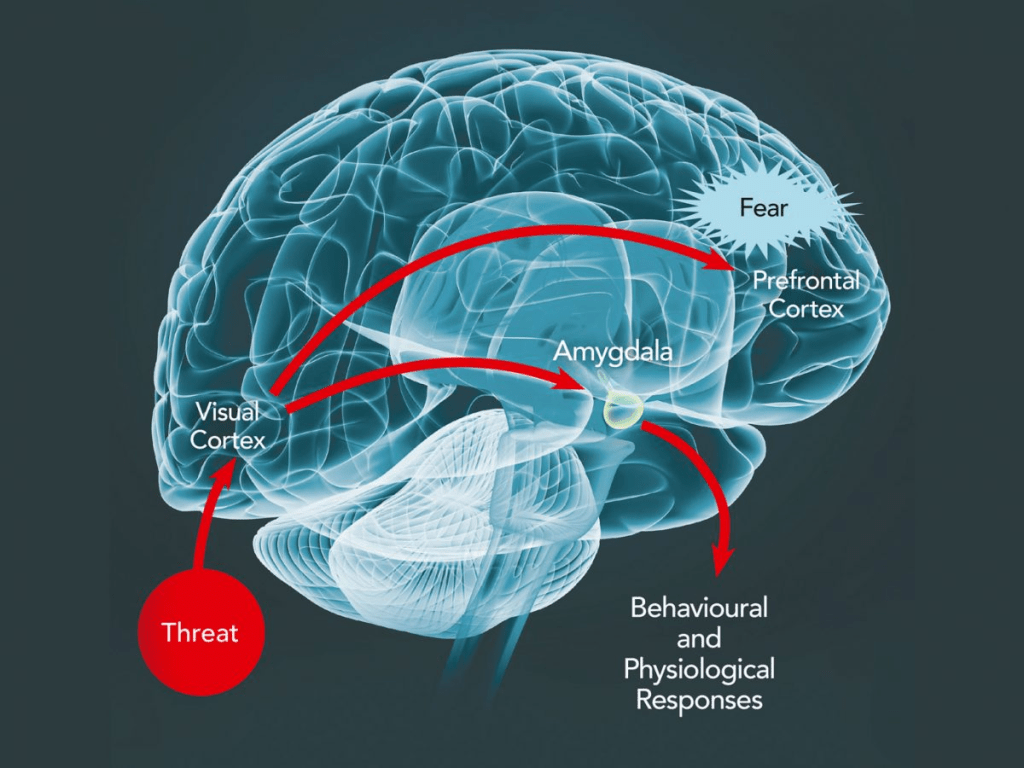 Continue reading →: Neurobiology of Fear – Why Are Some People Thrill-Seekers?
Picture the scene: standing at the edge of a bungee-jumping platform, heart pounding, palms sweating, every fiber in your body screaming to turn back. For some, though, this is a moment of intoxicating excitement rather than overwhelming fear. What sets thrill-seekers apart from the more cautious? The root of an answer lies in the neurobiology of fear, hard-wired survival mechanism,…
-
 Continue reading →: Memory Hacks: Neuroscience Behind Efficient Memory Techniques
Memory is an elusive neural process concerning the interaction of various parts of the brain, neural tracts, and neurotransmitters. Considering popular memory hacks, we have learned how such techniques used structures and mechanisms of the brain in their own way to make the information more available. Let’s carefully look into eight memory hacks and why they work on a neuroscientific level.
-
 Continue reading →: Interview with Professor Komiyama!
Two weeks ago, I had the awesome opportunity to interview Professor Takaki Komiyama, a leading expert in neuroscience research from UC San Diego. Professor Komiyama’s work dives deep into the mysteries of how our brains learn and adapt. His lab uses techniques like live brain imaging and optogenetics to explore…
-
Subscribe
Subscribed
Already have a WordPress.com account? Log in now.
 Behind the Brain